March 27, 2026
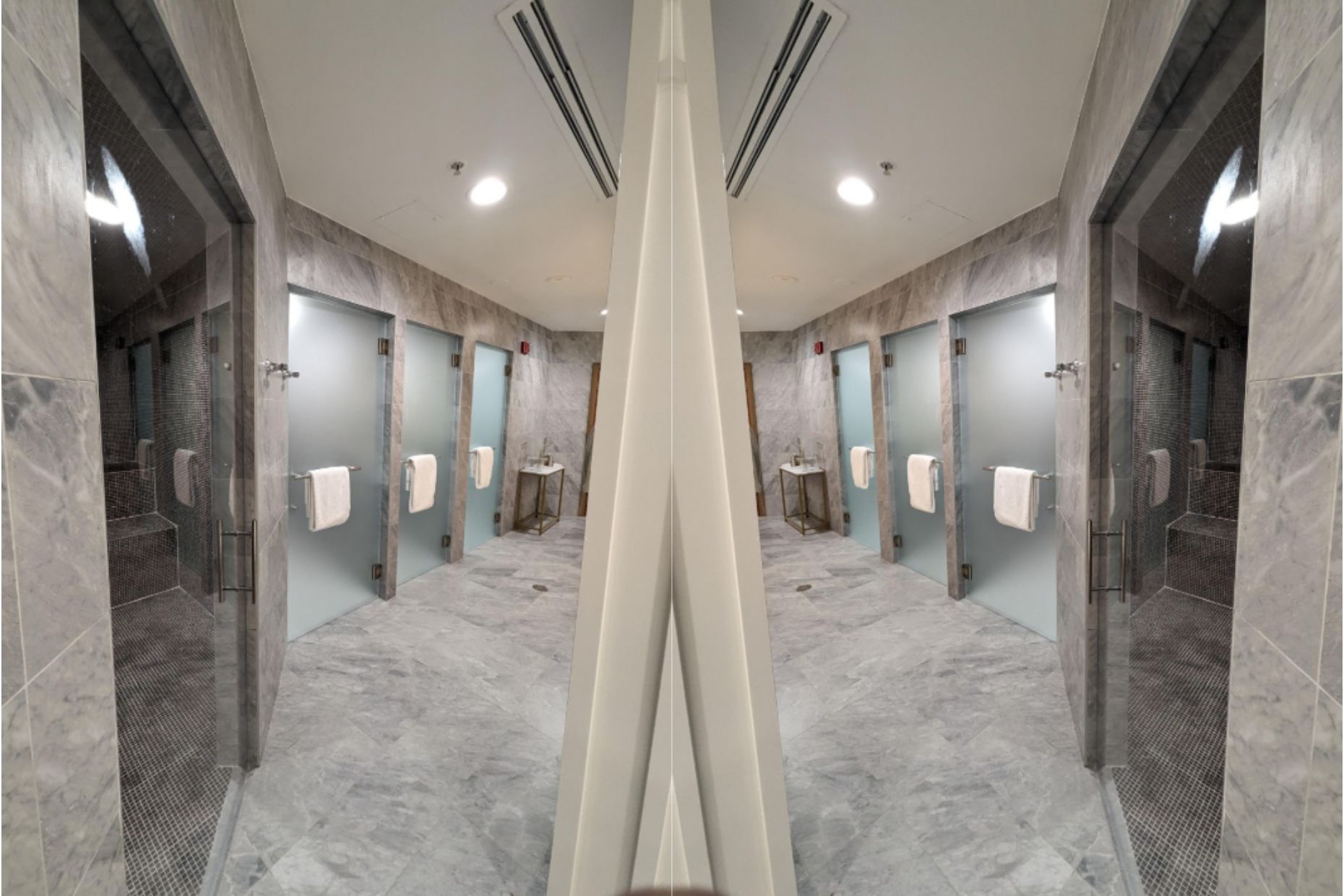
Pearl™ Clear Satin Etched Glass provides balanced translucency and consistent light transmission. For applications requiring greater color neutrality and brightness, Pearl™ Low-Iron Satin Etched Glass enhances visual clarity in premium interior environments. When maximum light transmission and a softer, less opaque appearance are desired, Pearl™ Low-Iron Ultra Satin Etched Glass delivers a refined finish with a lower level of privacy.Architects and interior designers increasingly rely on decorative glass to balance privacy, daylighting, and refined aesthetics. Among the most versatile materials available today is satin etched glass. This architectural glass solution diffuses light, reduces glare, and provides visual privacy while maintaining a clean and modern appearance.
Within this category, low-iron satin etched glass has become particularly important in contemporary architecture. Low-iron glass eliminates the green tint commonly found in standard clear float glass, producing a brighter and more color-neutral appearance. When combined with satin etched finishes, the result is a translucent glass that supports both design intent and functional performance.
GGI offers multiple variations of satin etched glass designed to address varying levels of translucency, privacy, and brightness. Three key solutions include Pearl™ Clear Satin Etched Glass, Pearl™ Low-Iron Satin Etched Glass, and Pearl™ Low-Iron Ultra Satin Etched Glass. Understanding the differences between these options helps architects, designers, and glazing contractors select the right glass for specific architectural applications.
What Is Satin Etched Glass?
Satin etched glass is produced through a controlled acid-etching process that permanently alters the glass surface. During this process, a chemical treatment removes microscopic layers from the glass surface to create a smooth, matte finish. The result is a translucent material that diffuses light, reduces glare, and maintains visual privacy.
Unlike sandblasted glass, which can create a rough surface texture, satin etched glass maintains a uniform, velvety finish that is easier to clean and maintain. Because the etched finish becomes part of the glass itself, the appearance is permanent and will not peel, fade, or deteriorate over time.
Satin etched glass is widely used in both commercial and residential architectural projects for its advantages. It allows natural light to pass through interior spaces, helps reduce direct visibility, creates a soft visual aesthetic, and supports modern architectural design strategies focused on daylighting.
Why Low-Iron Glass Matters in Satin Etched Applications
Traditional clear glass contains small amounts of iron oxide that produce a subtle green tint. While this tint may be minimal in thin glass, it becomes more noticeable in thicker panels or when viewed along the edge of the glass. In many architectural applications, that coloration can slightly alter the intended design palette.
Low-iron glass significantly reduces this coloration by removing much of the iron content during manufacturing. The result is glass with higher clarity and a more neutral color profile. When used as the substrate for satin etched glass, low-iron glass enhances the brightness of the material and improves light transmission.
For architects working with white interiors, minimalist spaces, or high-end finishes, low-iron satin etched glass provides a cleaner and more accurate visual appearance.
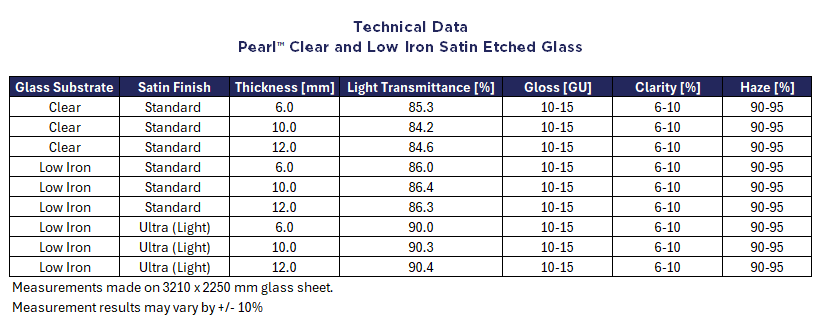
Data Performance Comparison Satin Etched Glass
Pearl™ Low-Iron Satin Etched Glass
Pearl™ Low-Iron Satin Etched Glass represents the standard satin etched solution within the Pearl product family. The glass features a satin etched surface on one side while preserving the clarity of low-iron glass. This combination produces balanced privacy with high light transmission.
Typical light transmission values remain above 86 percent depending on glass thickness. This level of transmission allows interior spaces to maintain natural daylight while still providing the visual diffusion needed for privacy.
Architects frequently specify this option for interior glass partitions, glass doors, decorative wall panels, cabinet inserts, and glass marker boards.
Pearl™ Low-Iron Ultra Satin Etched Glass
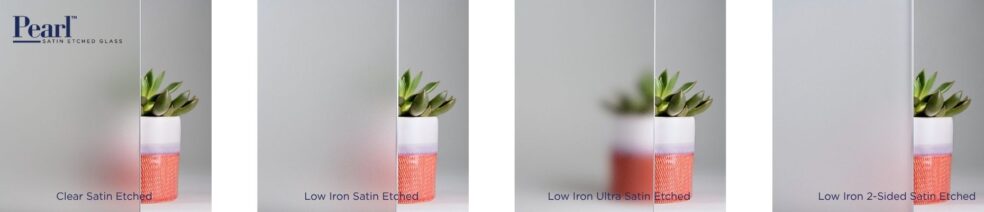
Pearl™ Low-Iron Ultra Satin Etched Glass offers a softer and brighter satin etched appearance. Compared with traditional satin etched glass, the Ultra finish produces a less opaque visual effect while maintaining a refined matte surface.
This glass typically provides visible light transmission around 90 percent. The increased brightness creates a lighter translucent effect that can help interior spaces feel more open and connected.
Design teams often select this option for hospitality environments, corporate interiors, feature walls, and other spaces where daylighting and visual elegance are equally important.
Two-Sided Satin Etched Glass: What to Know
Also available, Pearl™ Low-Iron Two-Sided Satin Etched Glass is designed for applications where greater privacy is required. In this configuration, both surfaces of the glass are acid etched. The double-etched finish increases light diffusion and enhances visual obscurity.
Because the satin finish is present on both sides of the glass, the material maintains a consistent appearance regardless of viewing direction. This makes it especially useful in spaces where occupants may view the glass from multiple sides. In addition, Two-Sided satin etched glass eliminates surface glare on both sides of the glass.
Two-sided satin etched glass is frequently used for office partitions, conference room glazing, healthcare interiors, and shower enclosures.
Because two-sided satin etched glass is a fabricated condition rather than a standardized manufacturer product, performance values are typically derived from single-sided data.
However, typical expectations include:
- Visible light transmittance reduced by approximately 5 to 10 percent
- Increased light diffusion (higher haze)
- Lower gloss due to dual matte surfaces
- Significantly reduced clarity for enhanced privacy
Common Architectural Applications for Satin Etched Glass
Satin etched glass supports a wide range of architectural applications where privacy, daylighting, and decorative design intersect. The material is particularly effective in modern interior environments where designers want to create separation without blocking natural light.
Common applications include:
– Interior office partitions and conference rooms
– Glass doors and entrance systems
– Decorative wall panels and wall cladding (back-painted)
– Glass railings and architectural features
– Shower enclosures and residential interiors
– Cabinet glass inserts and furniture components
– Glass marker boards and specialty surfaces
In each of these applications, satin etched glass allows architects to balance openness and privacy.
Fabrication Options
Satin etched glass can be fabricated using several processes to meet building code and performance requirements. The glass can be tempered for safety glazing applications or laminated for enhanced safety and acoustic performance. It may also be incorporated into insulated glass units for exterior glazing systems.
In addition, satin etched glass can be combined with decorative processes such as back-painting or digital printing technologies like GGI’s Alice® direct-to-glass printing. These fabrication options allow architects to integrate decorative design, privacy, and performance within a single glazing material.
Selecting the Right Satin Etched Glass for Your Project
Satin etched glass solutions provide architects and designers with flexible tools for shaping modern architectural environments. By diffusing light, reducing glare, and enhancing privacy, satin etched glass supports both aesthetic and functional design goals.
Pearl™ Clear Satin Etched Glass provides balanced translucency and consistent light transmission. For applications requiring greater color neutrality and brightness, Pearl™ Low-Iron Satin Etched Glass enhances visual clarity in premium interior environments. When maximum light transmission and a softer, less opaque appearance are desired, Pearl™ Low-Iron Ultra Satin Etched Glass delivers a refined finish with a lower level of privacy.
By understanding the differences between these three solutions, architects and project teams can select the glass that best aligns with their design intent while maintaining the performance characteristics required for contemporary building environments.
For project-specific guidance, contact GGI’s architectural support team for design assist.