March 16, 2026
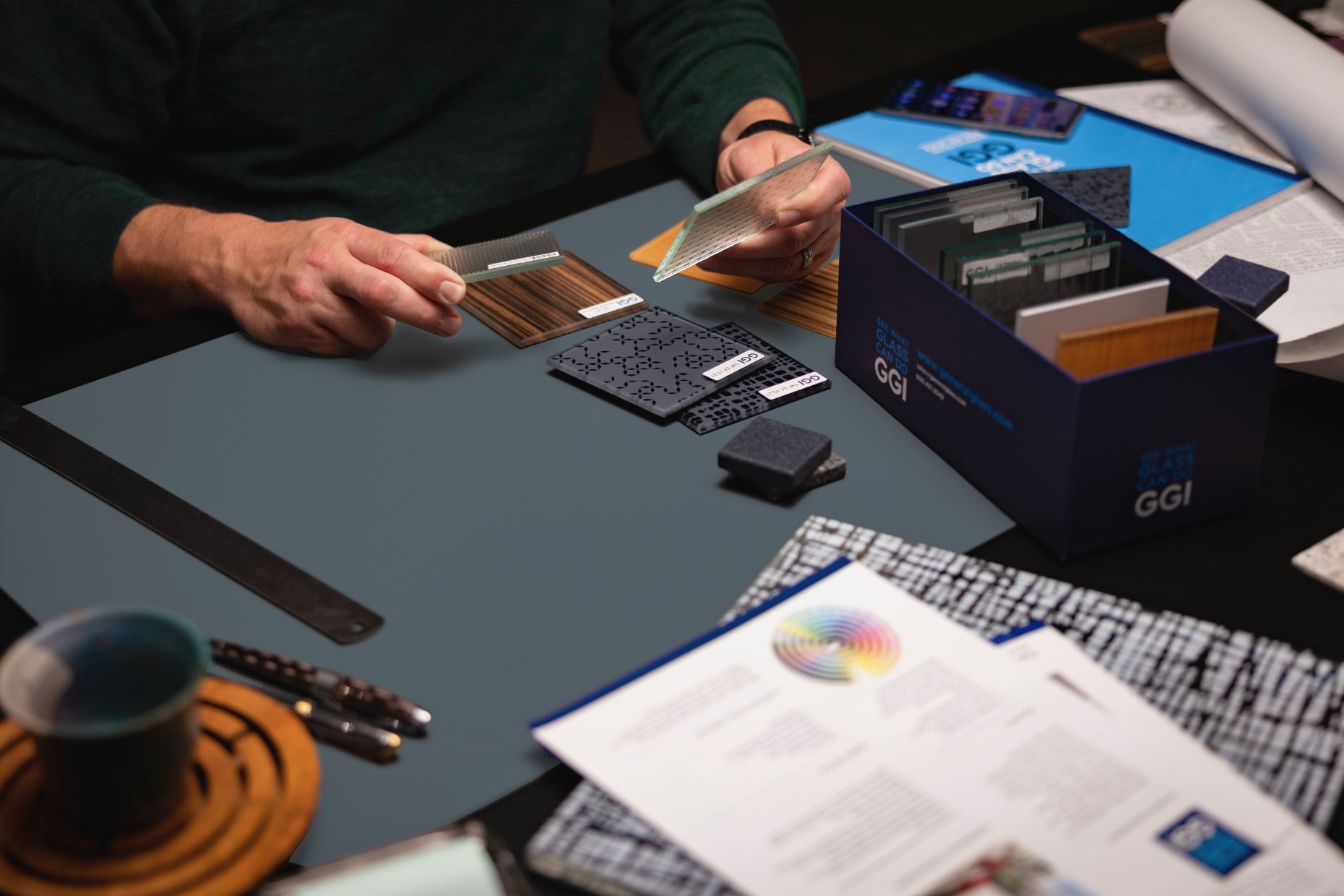
Decorative architectural glass has evolved from a finish material into a performance-driven component of the built environment. Today, decorative glass systems influence daylighting, solar control, safety compliance, acoustics, branding, and occupant experience. As a result, architects and interior designers increasingly evaluate decorative architectural glass during schematic design rather than treating it as a late-stage enhancement.
When architectural decorative glass is integrated early, project teams gain greater control over design intent, structural coordination, and fabrication feasibility. This guide explains why early integration matters and how decorative glass systems enhance both aesthetic and technical performance across building types.
Why Decorative Architectural Glass Must Be Considered Early
Modern decorative glass systems often intersect with structural engineering, building envelope design, sustainability modeling, and life-safety codes. Unlike applied finishes, decorative architectural glass is frequently incorporated into railing systems, storefront and curtainwall assemblies, partitions, shading devices, and collaborative spaces. Because of these intersections, early specification reduces risk and preserves flexibility.
Late-stage decisions involving custom architectural glass can result in shop drawing revisions, structural adjustments, or expedited fabrication costs. By contrast, early coordination aligns framing systems, attachment methods, panel dimensions, and compliance requirements from the outset.
Performance Considerations in Decorative Glass Systems
Safety and Code Compliance
Decorative architectural glass used in doors, sidelites, railings, and partitions must comply with safety glazing standards, such as ANSI Z97.1 and 16 CFR 1201, as well as International Building Code (IBC) provisions. Early evaluation ensures that laminated or tempered assemblies meet impact and human safety criteria before documentation is finalized.
Daylighting and Visual Comfort
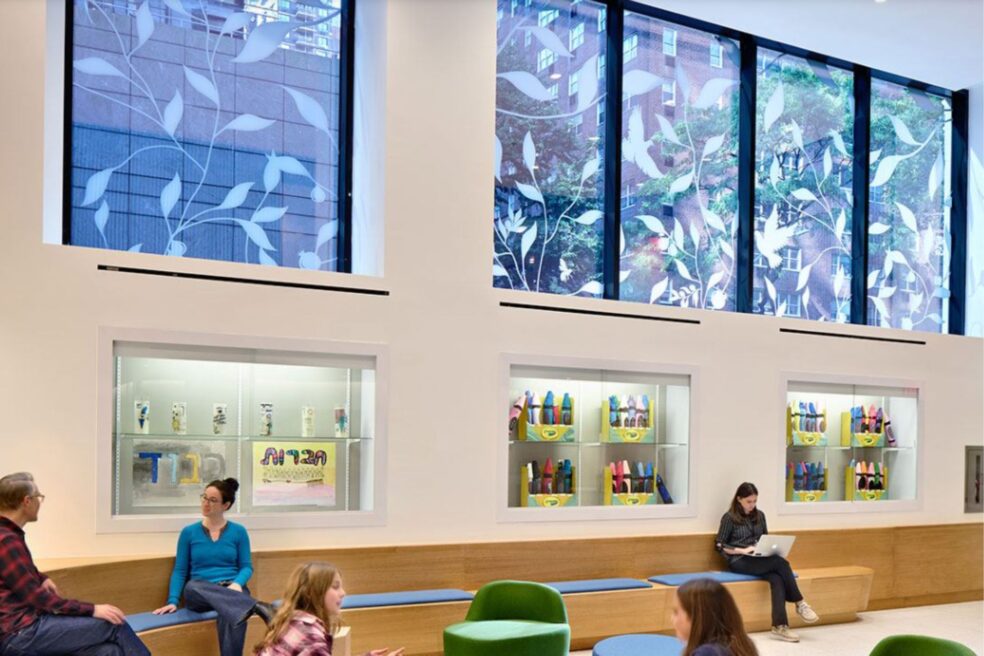
Architectural decorative glass plays a significant role in daylight diffusion and visual comfort. Ceramic frit patterns, gradient opacity transitions, textured patterns, and satin-etched finishes help control glare while maintaining transparency. Satin-etched products such as PEARL™ Satin Etched Glass illustrate how a uniform etched surface can provide privacy while preserving high visible light transmission.
Integrating decorative architectural glass during early energy modeling ensures alignment between aesthetic intent and environmental performance.
Solar Control and Envelope Integration
Exterior decorative glass systems, including fritted façades and shading fins, contribute to solar heat gain reduction and thermal performance. Early integration allows teams to coordinate wind loads, attachment engineering, and orientation studies to ensure that fabricated glass systems support both design expression and energy efficiency.
Adaptive and Smart Glass Technologies
In environments requiring flexible privacy or light control, smart laminated systems demonstrate how decorative architectural glass continues to evolve. Technologies such as SwitchView™ Smart Laminated Glass enable on-demand opacity changes, merging performance and design in a single glazing assembly. Specifying such systems early ensures electrical coordination, framing compatibility, and user expectations are clearly defined.
Fabrication and Constructability
Custom architectural glass and fabricated glass systems require digital file preparation, proofing, tempering or lamination, and quality control review. Digital ceramic printing platforms, including Alice® Direct-to-Glass Printing, illustrate how precision artwork, gradients, and color control can be permanently fused into the glass surface.
When decorative architectural glass fabrication is addressed during schematic design, architects can coordinate panel sizing, tolerances, and installation sequencing before structural systems are locked in.
Applications Across Building Types
Decorative architectural glass is adaptable across hospitality, commercial office, education, healthcare, and mixed-use environments. Applications include glass canopies, guardrails, feature walls, decorative partitions, back-painted wall cladding, conference room glazing, shading fins, bird-friendly treatments, and privacy screens.
Writable glass surfaces, such as MAX™ Glass Marker Boards, represent another category of architectural decorative glass that combines durability with functional design. When specified early, these systems integrate seamlessly into wall assemblies without compromising alignment or performance.
What Glass Types Are Considered Decorative Architectural Glass?
Decorative architectural glass refers to glass products that enhance visual expression while often contributing to performance objectives such as privacy, daylight control, safety, or branding. These materials may incorporate textures, surface treatments, printed imagery, or laminated interlayers that transform standard architectural glass into a design element within the built environment.
Common decorative architectural glass categories include:
-
Back-painted glass used for wall cladding and interior finishes
-
Bird-friendly patterned glass designed to reduce collisions
-
Dichroic or specialty coated glass that shifts color with light
-
Digitally printed glass, including ceramic frit graphics and imagery
-
Laminated decorative glass with colored or patterned interlayers
-
Satin etched glass for privacy and light diffusion
-
Smart laminated glass that transitions between transparent and opaque states
-
Textured or patterned glass that introduces visual depth and obscurity
-
Writable glass surfaces used in offices and collaborative spaces
Benefits of Early Decorative Architectural Glass Integration
Early integration of decorative architectural glass strengthens coordination between design intent and constructability.
-
Greater Design Flexibility. Early planning allows architects to calibrate pattern scale, transparency levels, and panel dimensions before finalizing framing systems.
-
Improved Structural Coordination. Integrating decorative glass systems during schematic design ensures compatibility with curtain walls, storefront assemblies, and guardrail systems.
-
Stronger Documentation and Reduced Risk. Clear early documentation minimizes shop drawing revisions and change orders while improving communication between architects, fabricators, and contractors.
-
Enhanced Sustainability Alignment. Decorative glass strategies can be coordinated with daylighting goals, bird-friendly requirements, and energy performance targets early in the design process.
When decorative architectural glass is coordinated with daylighting strategies, glazing systems can contribute meaningfully to overall environmental performance goals.
Decorative Architectural Glass as a Long-Term Investment
Durable decorative glass systems offer longevity and brand expression that extend beyond short-term aesthetic enhancement. When integrated early, architectural decorative glass supports long-term value, performance reliability, and cohesive design execution. Unlike film solutions or other applied surface materials, glass will not degrade over time and it essentially maintenance free.
Designing with Decorative Architectural Glass in Mind
Decorative architectural glass is no longer an ornamental afterthought. It is a multidisciplinary architectural system intersecting engineering, sustainability, safety compliance, and user experience. Evaluating decorative architectural glass during schematic design ensures alignment between design intent, technical performance, and fabrication feasibility.
Architect Resource: Specification Checklist
Architects seeking a structured framework to evaluate decorative architectural glass during schematic design may benefit from using a formal specification tool. The Architect Specification Checklist supports early coordination of code compliance, structural alignment, daylighting strategy, and fabrication planning. View Resources for additional support.
Download the Architect Specification Checklist →
About the Author

Brad Thurman is Vice President of Sales and Marketing at GGI (General Glass International), where he leads strategic growth across the company’s fabrication, specialty glass, and distribution divisions. A results-driven leader with deep experience in the architectural glass and building-envelope industry, Thurman began his career in 2002, working with leading companies before joining GGI in 2017.
He holds an MBA and is a Certified Construction Specifications Institute (CSI) and Construction Documents Technologist (CDT). Thurman combines technical expertise with strong business development and sales leadership, building high-performing teams, strengthening customer relationships, and aligning product strategy with real-world project demands. Based in the Louisville area, Thurman is an active member of the National Glass Association and remains engaged in advancing industry knowledge and best practices.