June 10, 2026
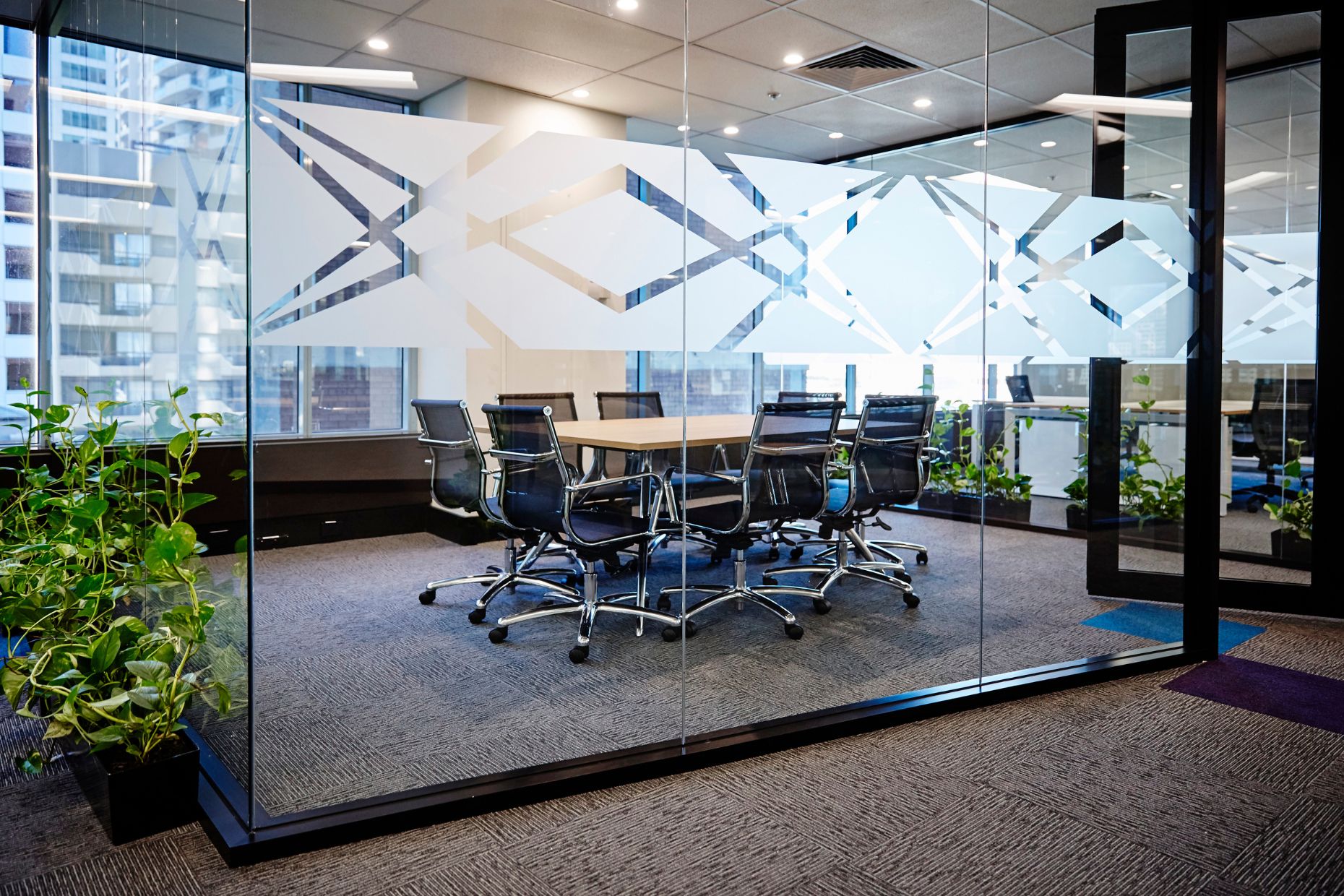
Modern commercial interiors increasingly rely on glass-centric design to support daylighting, flexibility, acoustical control and visual openness. As a result, demountable glass walls and modular interior partition systems continue to grow in use across office, hospitality, health care, education, and mixed-use environments.
At the same time, the construction industry continues to evaluate the relationship between CSI Division 08 openings and Division 10 specialty partition systems. Many modern interior wall applications combine advanced glazing requirements with modular framing technologies. This creates overlap between trades, specification sections, and procurement paths.
Even when demountable glass wall systems are specified under Division 10, they often depend on glass fabrication expertise, field coordination and installation sequencing commonly associated with Division 08. For architects, designers, general contractors, and manufacturers, successful project outcomes depend on clear collaboration from the earliest stages of design.
Key Takeaways
- Demountable glass walls often combine Division 10 modular partition systems with Division 08 glazing expertise.
- Interior architectural glass systems may involve acoustics, decorative glass, hardware integration, smart glass and other specialty fabrication.
- Procurement paths vary by project and may involve glass wall system and partition manufacturers, glass fabricators, glazing contractors or trained installation teams.
- Early collaboration improves constructability, production planning, delivery sequencing and installation quality.
- Glass fabricators like GGI support both glazing contractors and manufacturers of demountable wall systems.
- The future of interior architectural glass will require greater coordination as glass-centric design continues to expand.
Growth Opportunities for Demountable Glass Walls
Demountable glass wall systems offer a strong growth opportunity as the construction market responds to cost pressure, renovation activity and demand for flexible interior space.
Owners continue to evaluate renovation, repositioning and adaptive reuse projects with close attention to cost and long-term flexibility. In many markets, high construction costs make reuse more practical than new construction. Demountable wall systems support that strategy by allowing spaces to change over time.
Instead of treating interior partitions as fixed, single-use construction, project teams can plan for future reconfiguration. This approach can help owners respond to changing tenant needs, hybrid work models and program updates.
Architects may specify modular interior systems to support adaptive reuse, workplace repositioning and phased renovations. They also use glass wall systems to preserve daylight, improve transparency and maintain a premium interior appearance.
For owners and developers, flexibility is more than a design preference. It is a long-term planning strategy.
Demountable glass walls can support:
- Adaptive reuse projects
- Renovation and repositioning work
- Hybrid workplace planning
- Future reconfiguration
- Daylighting strategies
- Privacy and acoustic separation
- Sustainable construction goals
What Are CSI Division 08 and Division 10?
The Construction Specifications Institute, or CSI, MasterFormat organizes construction information into divisions that help architects, specifiers, contractors and project teams define scope of work.
Division 08: Openings
CSI Division 08 generally covers openings and related systems. In architectural glass and glazing, this may include:
- Glazing
- Glass entrances
- Storefront systems
- Curtain wall systems
- Windows
- Doors and frames
- Hardware related to openings
- Specialty glazing assemblies
Division 08 is traditionally where many architectural glass and glazing systems are specified, especially when they relate to building openings, entrances, exterior walls or interior glazing assemblies.
Division 10: Specialties
CSI Division 10 generally covers specialty products and interior systems that do not fall neatly into structural, mechanical or standard opening categories. In interior construction, this may include:
- Demountable partitions
- Movable wall systems
- Toilet compartments
- Lockers
- Specialty visual display surfaces
- Interior specialty systems
Many demountable glass wall systems appear under Division 10 because they function as modular interior partition systems rather than traditional glazing assemblies.
However, this classification does not remove the need for glass expertise. A demountable wall system may be specified in Division 10 while still requiring Division 08 knowledge related to glass fabrication, safety glazing, hardware coordination, tolerances, handling and installation sequencing.
That overlap creates the need for collaboration between demountable wall manufacturers, glass fabricators, glazing contractors, trained installation teams and the broader project team.
Why Procurement Varies by Project
The procurement path for interior glass systems depends on how the architect or specifier structures the project manual, bid packages and project delivery method.
In some projects:
- Glazing contractors furnish and install interior glass systems.
- Specialty partition manufacturers supply framing systems.
- Glass fabricators provide custom architectural glass to subcontractor/manufacturer.
- Interior partition dealers manage the wall system package.
- Trained local installation companies install proprietary systems.
The approach often differs based on:
- Project complexity
- Contractor relationships
- Delivery method
- Manufacturer requirements
- Installation training requirements
- Glass type and performance demands
- Field measurement and sequencing needs
Because many modern systems combine modular framing with advanced glazing requirements, collaboration between these groups has become increasingly important.
The Increasing Complexity of the Interior Glass Supply Chain
Although demountable glass walls often appear visually minimal, they can require significant technical coordination. Many systems combine modular framing with specialty glass, hardware, field measurements and installation sequencing.
Interior architectural glass applications may involve:
- Tempered safety glass
- Laminated safety glass
- Acoustical laminated glass
- Security glass
- Privacy glass
- Oversized glass panels
- Fire-rated glazing
- Structural attachment considerations
Successful projects rely on a coordinated supply chain. Architects and interior designers typically establish the visual goals, spatial planning and performance expectations. Interior partition manufacturers engineer the framing systems and modular wall assemblies that support those objectives.
Glass fabricators then supply the specialty architectural glass required for the application. Glazing contractors, wall system manufacturers or trained installation teams may provide field measurements, installation coordination, hardware integration and sequencing support during construction.
Because these systems often interface with ceilings, flooring, lighting, HVAC components and adjacent trades, coordination becomes more important as complexity increases. In some cases, installation tolerances and sequencing requirements resemble those associated with exterior glazing systems. As glass becomes a more dominant part of interior architecture, project teams increasingly recognize the value of glass industry expertise early in the process.
Why Early Collaboration Matters
Many challenges associated with interior glass projects begin during early design and coordination.
When manufacturers, glass fabricators and installation professionals become involved early, project teams can:
- Reduce RFIs
- Improve constructability
- Coordinate hardware requirements
- Manage lead times
- Confirm glass makeups
- Avoid field conflicts
- Improve delivery sequencing
- Maintain design intent
Early collaboration also helps address performance considerations such as acoustics, safety glazing compliance and system compatibility before construction begins.
This design-assist approach has become especially valuable on projects involving custom architectural glass, specialty finishes, integrated privacy technologies or high-performance interior wall systems.
The Role of Glass Fabricators and Installation Teams
As interior systems become more glass-centric, glass fabricators and trained installation teams play an increasingly important role in project coordination.
Experienced glass fabricators bring valuable knowledge related to:
- Large-format glass fabrication
- Safety glazing requirements
- Specialty glass configurations
- Glass tolerances
- Production planning
- Delivery sequencing
- Coordination with trained installation crews
Their expertise helps support product quality, constructability and smoother field execution.
At the same time, demountable wall manufacturers continue to play an essential role through system engineering, product development, testing and modular framing technologies.
Many demountable wall companies do not use traditional glazing contractors to install their proprietary systems. Instead, they often rely on local installation companies trained specifically for their wall systems. These teams may take field measurements, unload fabricated glass deliveries and coordinate directly with the general contractor, client, owner’s representative and wall system manufacturer.
This process creates a more active coordination role for glass fabricators. Fabricators must align glass production, delivery schedules and sequencing with both the wall company and its selected installation team. Proper planning and collaboration can help avoid the numerous potential pitfalls.
“Successful demountable glass wall projects depend on coordination long before the glass arrives on site,” said Stephen Balik, principal and vice president of business development. “GGI works closely with wall system manufacturers and their trained installation crews to support production schedules, delivery sequencing and field execution.”
Rather than competing roles, the relationship between demountable wall manufacturers, glass fabricators and trained installation crews functions as a collaborative process.
“Interior glass systems continue evolving beyond simple partitions into highly coordinated architectural assemblies,” Balik said. “Today’s projects require close communication between manufacturers, fabricators and installation teams to support aesthetics, performance, constructability and long-term value.”
How Manufacturers and Fabricators Support Interior Glass Projects
As a custom glass fabricator and wholesale distributor, GGI supports a wide range of interior architectural glass applications throughout North America.
The company supplies fabricated architectural glass solutions to glazing contractors, demountable wall manufacturers and interior partition system providers. These applications may include:
- Decorative laminated glass
- Dichroic glass
- Digitally printed glass
- Acoustical laminated glass
- Satin-etched glass
- Switchable privacy glass
- Textured pattern glass
- Custom fabricated holes, cutouts and notches
Because many modern interior systems combine aesthetics with performance requirements, collaboration among fabricators, manufacturers and installers continues to grow in importance.
Design Considerations and Inspiration for Interior Glass Wall Systems

Interior glass wall systems can do more than divide space. Whether designed as traditional interior glazing or demountable partitions, glass walls can influence daylight, privacy, acoustics, circulation and visual connection.
A successful application begins with the design intent. Project teams should consider:
- How much privacy the space requires
- Whether the glass should be transparent, translucent, patterned or decorative
- How daylight moves through the interior
- Whether the wall system must support acoustic control
- How the glass interfaces with doors, ceilings, floors and adjacent walls
- Whether future reconfiguration may be needed
- How glass can support branding, artwork, wayfinding or wellness goals
Project references that demonstrate how different design goals can shape the glass selection:
- Harborside 3, 210 Hudson Street — Interior decorative glass walls support a modern workplace environment with stunning visuals, privacy, and daylighting.
- Children’s National Annapolis Outpatient Clinic — Decorative glass helps create a more welcoming health care environment while supporting privacy and natural light.
- GLF Headquarters — Interior glass helps organize shared spaces while maintaining openness across the workplace and extensive outdoor views.
- Spencer Stuart Headquarters — All-glass wall systems support decorative layered designs, sound control and a refined client-facing environment.
These examples show that interior glass wall systems are not one-size-fits-all. The right solution depends on the project’s visual goals, performance needs, installation requirements and long-term flexibility expectations.
FAQ: Demountable Glass Wall Systems
What are demountable glass wall systems?
Demountable glass wall systems are modular interior partition systems designed to divide space while preserving daylight, transparency and visual openness. Unlike traditional fixed drywall partitions, many demountable systems can be reconfigured, relocated or adapted as interior needs change.
Where are demountable glass walls commonly used?
Demountable glass walls are commonly used in office buildings, health care facilities, schools, universities, hospitality spaces, retail environments and mixed-use buildings. They are often selected for projects that require flexibility, daylighting, privacy, acoustic control or a more open interior design.
What are the benefits of demountable glass partitions?
Demountable glass partitions can support flexible space planning, natural light, visual connection and long-term adaptability. They may also help owners respond to tenant changes, hybrid workplace needs, phased renovations and adaptive reuse strategies.
How do demountable glass walls differ from traditional drywall partitions?
Traditional drywall partitions are typically fixed in place and require demolition if the space changes. Demountable glass walls are modular systems designed for greater flexibility. They also allow light to move through the interior while supporting separation, privacy and acoustic performance when properly designed.
Can demountable glass walls provide acoustic privacy?
Yes. Many demountable glass wall systems can incorporate acoustical laminated glass, gasketing, framing systems and door details that help improve sound control. Acoustic performance depends on the complete assembly, including the glass type, framing system, seals, doors and installation quality.
What types of glass are used in demountable wall systems?
Demountable wall systems may use tempered glass, laminated glass, acoustical laminated glass, low-iron glass, satin-etched glass, textured glass, decorative laminated glass, digitally printed glass or switchable privacy glass. The glass selection depends on design goals, safety requirements, privacy needs and performance expectations.
Are demountable glass wall systems considered Division 08 or Division 10?
Demountable glass wall systems are often specified under Division 10 because they function as modular interior partition systems. However, they may still require Division 08 glass and glazing expertise related to safety glazing, fabrication, tolerances, hardware coordination, field measurement and installation sequencing.
Why is there overlap between Division 08 and Division 10 on interior glass wall projects?
The overlap occurs because demountable glass walls combine modular partition systems with architectural glass. Even when the wall system falls under Division 10, the glass components may involve Division 08 knowledge related to glazing, fabrication, performance and installation coordination.
Who installs demountable glass wall systems?
Installation depends on the product manufacturer specified, project requirements and procurement path. Some projects involve glazing contractors. Others use trained local installation companies, wall system dealers or specialty contractors approved by the manufacturer.
Why is early coordination important for demountable glass wall projects?
Early coordination helps project teams confirm glass types, field measurements, hardware requirements, acoustical goals, lead times, delivery sequencing and installation details. This can reduce RFIs, avoid field conflicts and help maintain the design intent.
How do glass fabricators support demountable glass wall manufacturers?
Glass fabricators supply the custom architectural glass used within demountable wall systems. This may include tempered, laminated, acoustical, decorative, low-iron, satin-etched, textured, digitally printed or switchable privacy glass. Fabricators may also coordinate production schedules, packaging, delivery sequencing and project-specific glass requirements.
Can demountable glass walls support privacy?
Yes. Privacy can be addressed through satin-etched glass, textured glass, decorative interlayers, patterned glass, films or switchable privacy glass such as GGI’s SwitchView Smart Laminated Glass. The right solution depends on the level of privacy needed, the design intent and the performance requirements of the space.
Why are demountable glass walls important for adaptive reuse and renovation projects?
Demountable glass walls support adaptive reuse and renovation because they help owners create flexible interior layouts without relying solely on fixed construction. They can make future reconfiguration easier while supporting daylight, openness and a modern interior environment.
About the Author

Brad Thurman is Vice President of Sales and Marketing at GGI (General Glass International), where he leads strategic growth across the company’s fabrication, specialty glass, and distribution divisions. A results-driven leader with deep experience in the architectural glass and building-envelope industry, Thurman began his career in 2002, working with leading companies before joining GGI in 2017.
He holds an MBA and is a Certified Construction Specifications Institute (CSI) and Construction Documents Technologist (CDT). Thurman combines technical expertise with strong business development and sales leadership, building high-performing teams, strengthening customer relationships, and aligning product strategy with real-world project demands. Based in the Louisville area, Thurman is an active member of the National Glass Association and remains engaged in advancing industry knowledge and best practices.